
Why I’m a Founding Member of RAL Roadmap: The Residential Assisted Living Opportunity
Dr. Hunter Foote on why he is a founding member of RAL Roadmap and why the residential assisted living business is the next frontier for mis

Scholar · Author · Advocate
Author, social entrepreneur, and founder of Vanderburgh Sober Living, working at the intersection of recovery housing, real estate, and social enterprise. His books and research turn more than a decade of building and operating homes into practical maps for the people doing this work.

The Work
Practical guides, legal analysis, and research on recovery housing, real estate, and social enterprise, written for operators, investors, and community leaders.
 How to Buy a Sober House
An Investment Property Acquisition Guide
 How to Finance Recovery Housing
Lenders, Loans, and Creative Capital
 How to Upfit Properties for Recovery Housing
The Journey from House to Haven
 Sober Living A.I. Outreach Toolkit
Copy-and-Paste Prompts to Generate More Referrals and Fill Your Beds Faster
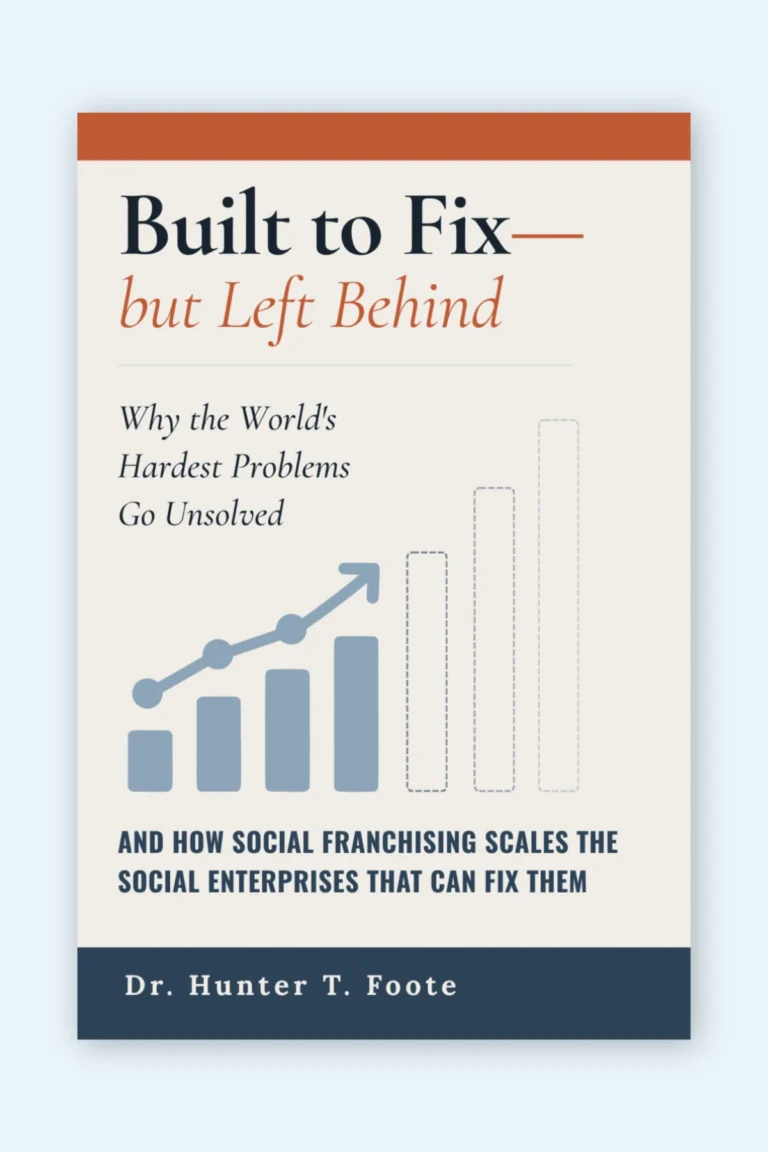 Built to Fix—but Left Behind
Why the World’s Hardest Problems Go Unsolved—and How to Scale the Enterprises That Can Fix Them
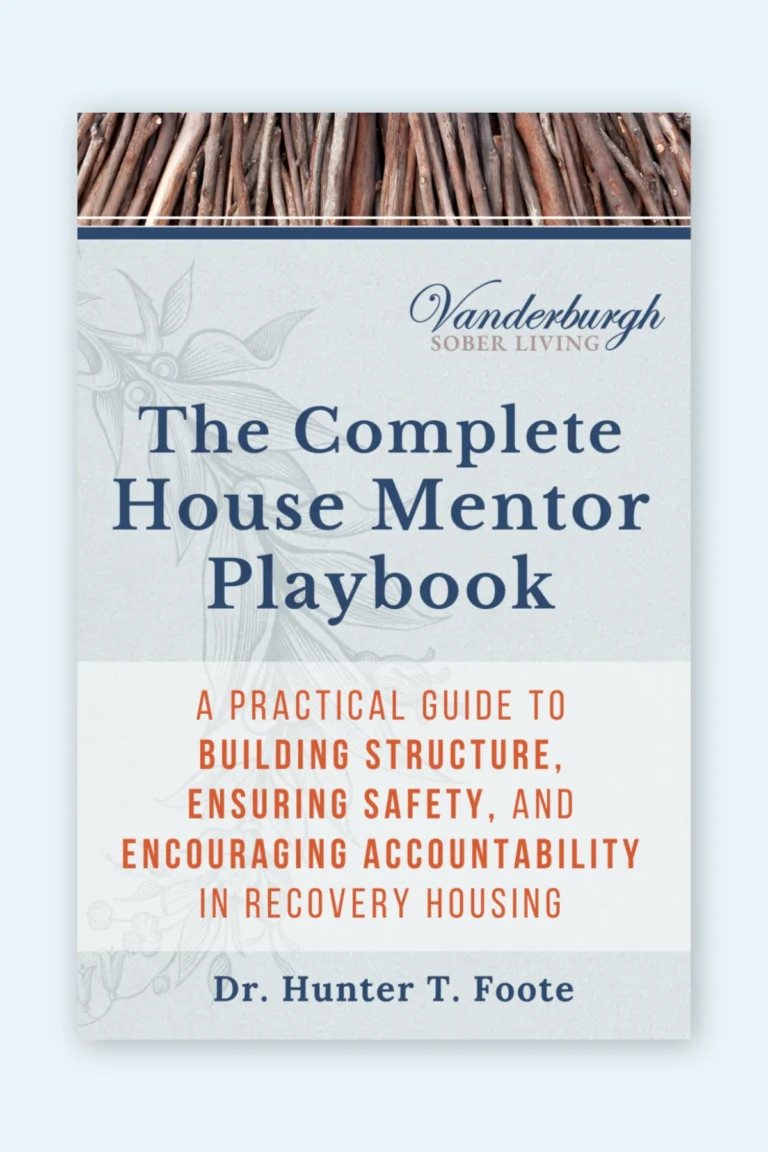 The Complete House Mentor Playbook
A Practical Guide to Building Structure, Ensuring Safety, and Encouraging Accountability in Recovery Housing
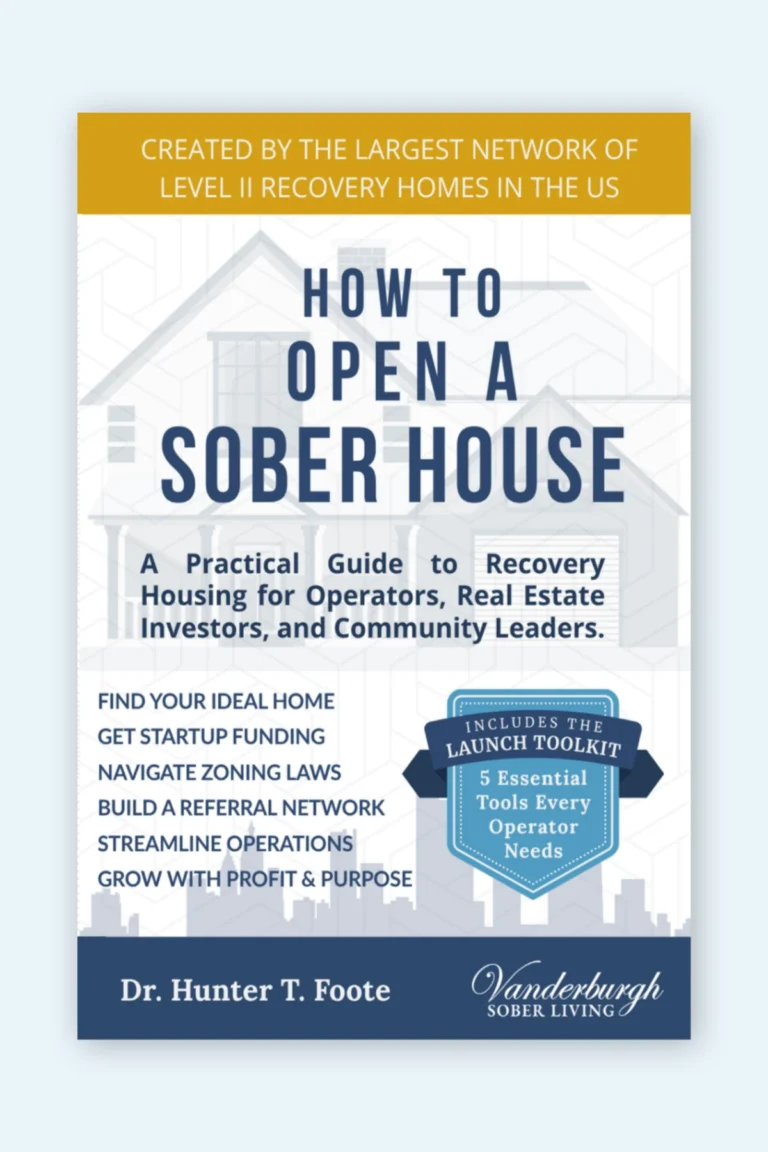 How to Open a Sober House
A Practical Guide to Recovery Housing for Operators, Real Estate Investors, and Community Leaders
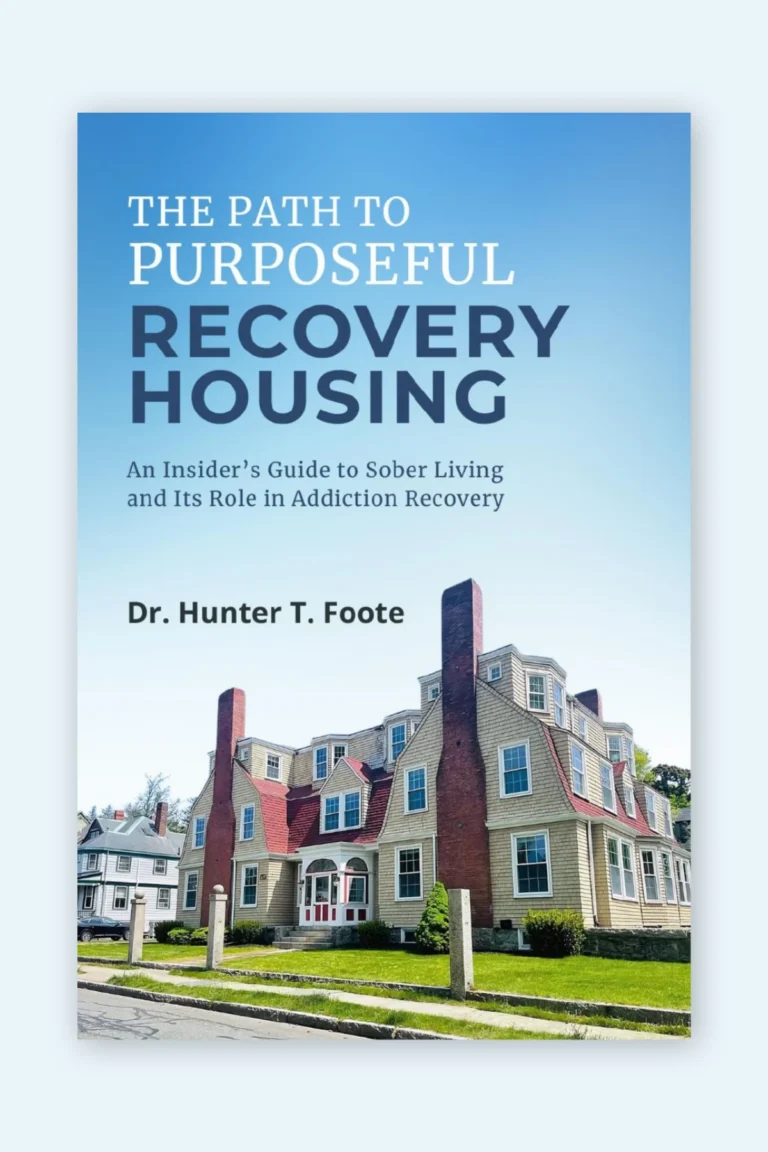 The Path to Purposeful Recovery Housing
An Insider's Guide to Sober Living and Its Role in Addiction Recovery
Series
The books are grouped into reading tracks, each following one thread of the work from first principles to daily practice.
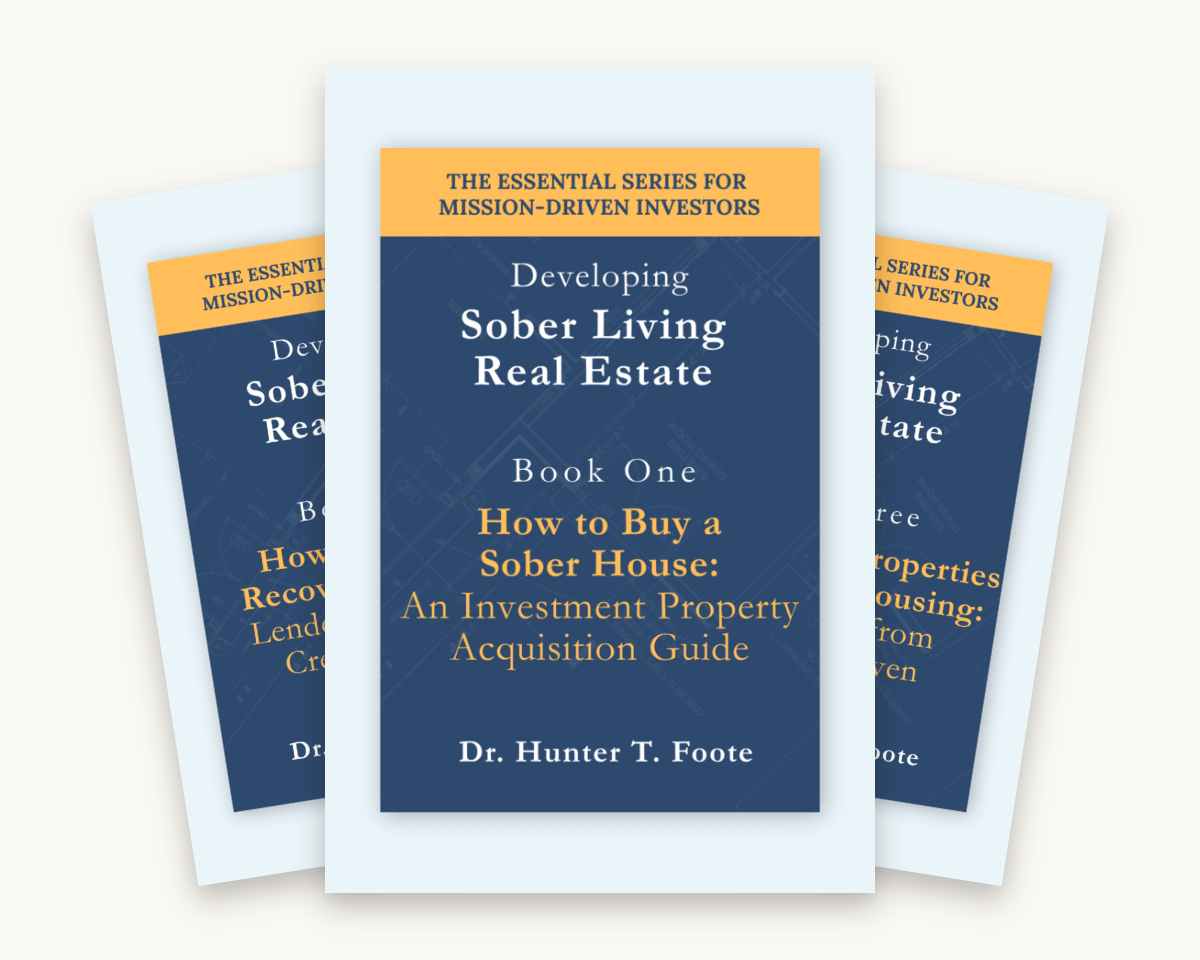 Developing Sober Living Real EstateThe real-estate track: buying, financing, and upfitting properties, and the economics of running them well as recovery housing.Explore the series
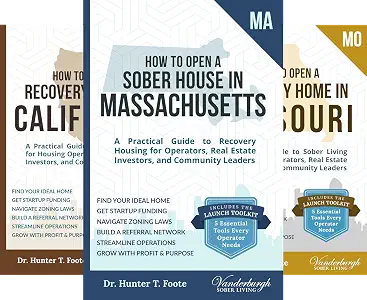 Opening Doors to Recovery HousingState-by-state startup guides for opening a sober living home. 31 titles, one per state, available on Amazon.Browse the series on Amazon
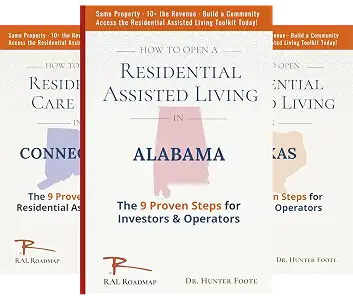 9 Steps to RALState-by-state guides to opening a residential assisted living home in nine proven steps. 11 titles on Amazon.Browse the series on Amazon
About the author
Dr. Hunter T. Foote is a leader, author, and entrepreneur whose work spans real estate, social enterprise, law, and education. As the founder of Vanderburgh Sober Living, he pioneered a national network of recovery homes using a social franchising model that blends business discipline with compassionate care.
Ideas
Dr. Hunter Foote on why he is a founding member of RAL Roadmap and why the residential assisted living business is the next frontier for mis

Recovery housing laws vary dramatically from state to state. Here’s what operators need to know about state certification programs, la

The social franchising model is powerful when applied correctly, and costly when it isn’t. Three sequential diagnostic questions to d